








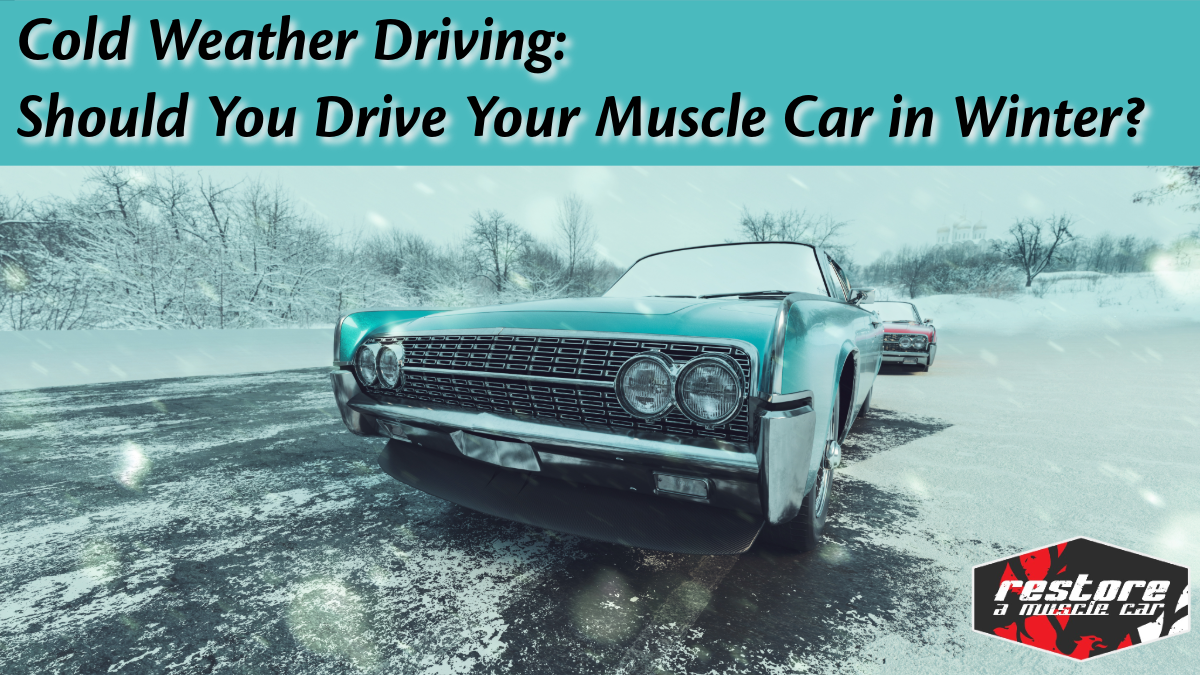
Classic muscle cars weren’t designed with modern winter conditions in mind. While some owners keep their vehicles tucked away until spring, others enjoy driving year-round. The question is: should you?
Let’s break down the risks and considerations before taking your muscle car out in cold weather.
Winter Driving Risks
Cold temperatures affect older materials differently. Rubber hoses stiffen, carburetors behave unpredictably, and salt exposure accelerates rust. Roads treated for ice can quickly damage undercarriages and suspension components.
If You Choose to Drive
If winter driving is unavoidable:
Avoid salted roads
Rinse the undercarriage frequently
Warm the engine thoroughly
Inspect tires for cold-weather performance
Storage Is Often the Best Option
For most classics, winter storage remains the safest choice. It minimizes corrosion, preserves original components, and reduces unnecessary wear.
At Restore a Muscle Car, we help owners decide what’s best for their vehicle—and how to protect it regardless of season.